ATTENTION:
Have you or your loved one been affected by a stroke and experience one or more of the following visual symptoms?
ATTENTION:
Have you or your loved one been affected by a stroke and experience one or more of the following visual symptoms?
01
VISUAL FIELD LOSS (HEMIANOPSIA)
Hemianopsia is a visual field defect where a person loses half of their visual field in both eyes as a result of damage to the optic tract, lateral geniculate nucleus, or visual cortex from events such as a stroke, traumatic brain injury, or other neurological conditions.
In Homonymous Hemianopia, the patient often reports missing parts of what should be a full image. For example, when looking at a car or a room, the entire left or right half of the object may be reported completly missing or "cut off".
02
DOUBLE VISION (DIPLOPIA)
Double Vision or Diplopia occurs when the eyes are not properly aligned and do not work together, resulting in two overlapping images. While there are many possible reasons for the occurrence of Diplopia, in stroke patients, it can occur as a result of damage to the nerves that control eye movement, such as the third, fourth, or sixth cranial nerves.
These nerves are responsible for coordinating the movement of the eyes, and if they are damaged, the eyes may not align properly, leading to double vision. A stroke can also affect the parts of the brain that control eye movement and visual processing, leading to misalignment of the eyes and double vision.
03
CORTICAL BLINDNESS
Cortical blindness is a condition where there is a loss of vision, although the individual may have properly functioning eyes and optic nerves but may experience partial or total blindness due to damage to the visual cortex. As the name suggests, this is blindness of the cortex and not the eyes itself. This is quite common in stroke patients.
04
VISUAL AGNOSIA
Visual agnosia is a visual processing dysfunction where the individual experiences difficulty in recognizing or interpreting visual stimuli despite having intact vision. Although able to see objects, colors, and shapes, they struggle to make sense of the visual information.
05
VISUAL (HEMISPATIAL) NEGLECT
This is characterized by the individual's inability to attend to or be aware of stimuli presented on one side of space, typically the side opposite to the brain injury. This condition is most commonly associated with damage to the right hemisphere of the brain.
This is uniquely an attentional deficit (hence the word neglect) and not a sensory deficit, and may thus result in the individual ignoring one side of their body or environment.
06
VISUAL FIELD LOSS
Unlike in Homonymous Hemianopsia, where the individual losses one half of their field of vision, depending on where the stroke occurred, some individuals may experience areas of reduced vision (Scotoma) or a loss of 1/4 of their visual field (quadrantanopsia).
...And have you also been told that there is nothing that can be done about it?
If you answered yes to any of the above, and desire to find relief for yourself or a loved one, after suffering a stroke related visual loss, then you have come to the right place!
Patient Feedback:
After 1 week in Phase 1 therapy, Kenny said he felt like he could get up and walk. He said he didn't feel like he had a "stroke brain". He felt normal again while he was wearing the green goggles.
Ken
Stroke related vision Loss
From the desk of
Dr Julie Steinhauer.
Vision For Life & Success
Dear Visitor,
There is hope! And restoring your vision post stroke may be a reality that is available to you or your loved one, even if you have been told that there was no hope or it's been a while since the stroke occured.
It is very likely that you are here because you or a loved one is still searching for a solution to, or seeking some relief from the challenging effects of a stroke, that, as you know, can significantly impact the quality of life and independence of those who experience it and those closest to them.
This is no fluke
Although there are more people suffering strokes annually than ever before, and vision loss is a very common outcome of strokes, the sad reality is that there are very few strong and viable treatment options for post-stroke vision loss and complications, which is a very significant and common part of post-stroke reality for most people.
So then, after what has likely been many sleepless nights, tears, and maybe even prayers for a solution ...
Here you finally are.
Rest assured that you have come to the right place, and that what you have just "stumbled across" is no fluke.
But instead, it is currently the most significant shot at regaining lost or impaired visual function after a stroke.
Patient Feedback
After 2 weeks in Phase 1: It is definitely less frustrating; I have just noticed that I am reading more quickly. There is still a small struggle since my visual field is still limited but I am able to reach sentences quicker and I do not see words as just scrambled letters on a page, which is what I was experiencing previously.
- Jose
Imagine then, that in a few short months from now, things could also be different for you or your loved one, just as has been the case with others before you who have come to us from all over the world.
...The same people who, prior to coming to us, were given little to no significant hope in terms of their prospects of achieving even a partial vision recovery.
In fact, the most common feedback they say they got was to "wait and see" what happens.
And as ridiculous as that sounds, it isn't surprising that they were told that.
Why?
This is because traditional medicine and optometry are fairly clueless about what to do to help patients with these post-stroke complications.
And so, it is often easier to tell the patient to wait and see what happens.
It's an easy way to get off the hook, I'd say.
And so, unfortunately, thousands of people each year wait and do nothing for years, just like they were told to do, and still no significant improvement occurs.
But that's not even the worst part.
The worst part about this is that they were likely NOT told that by waiting and doing nothing, they might as well be throwing away ONE OF THEIR MOST VALUABLE ASSETS IN POST-STROKE REVOVERY: TIME
That's right, just as very early intervention is promoted for motor, speech and memory recovery through occupational or Physical therapy etc., early intervention through advanced Vision Therapy after a stroke is just as important if one seeks to regain as much visual function as possible, because it all stems from the brain.
So why then would it make sense all of a sudden for the patient to "wait and see", and by doing so, risking further neuronal death, other than because they are out of ideas on how to help the patient?
So, after being frustrated and finally being tired of waiting as they were told to do, many stroke patients finally decide to get off the "wait and hope something good happens" train and begin searching for other solutions.
But unfortunately, these individuals may have traded away some of their recovery ability by waiting a long time.
There are however, others, who, despite also being told to "wait and see", decide that they cannot not take that chance, and so swiftly begin to seek out options for treatment while the stroke damage was still "fresh".
"Why did they have to wait," they wondered, "especially when they were told by the same physicians or hospital that most of the standard medical stroke protocols are time-sensitive?"
And so, as a result of their proactive posture, these folks tend to make great leaps, and in some instances, completely reverse the adverse effect of the stroke on their visual function.
Now, while I do not know which group you or your loved one fall into, you are here, and it is what you do from here on that will truly matter!
Because, ultimately, the right action now, even though late, is still light years ahead of the "do nothing and wait" approach.
The statement:
"Better late than never, but never late is better" is a good rule of thumb when it comes to any stroke therapy.
Our Record
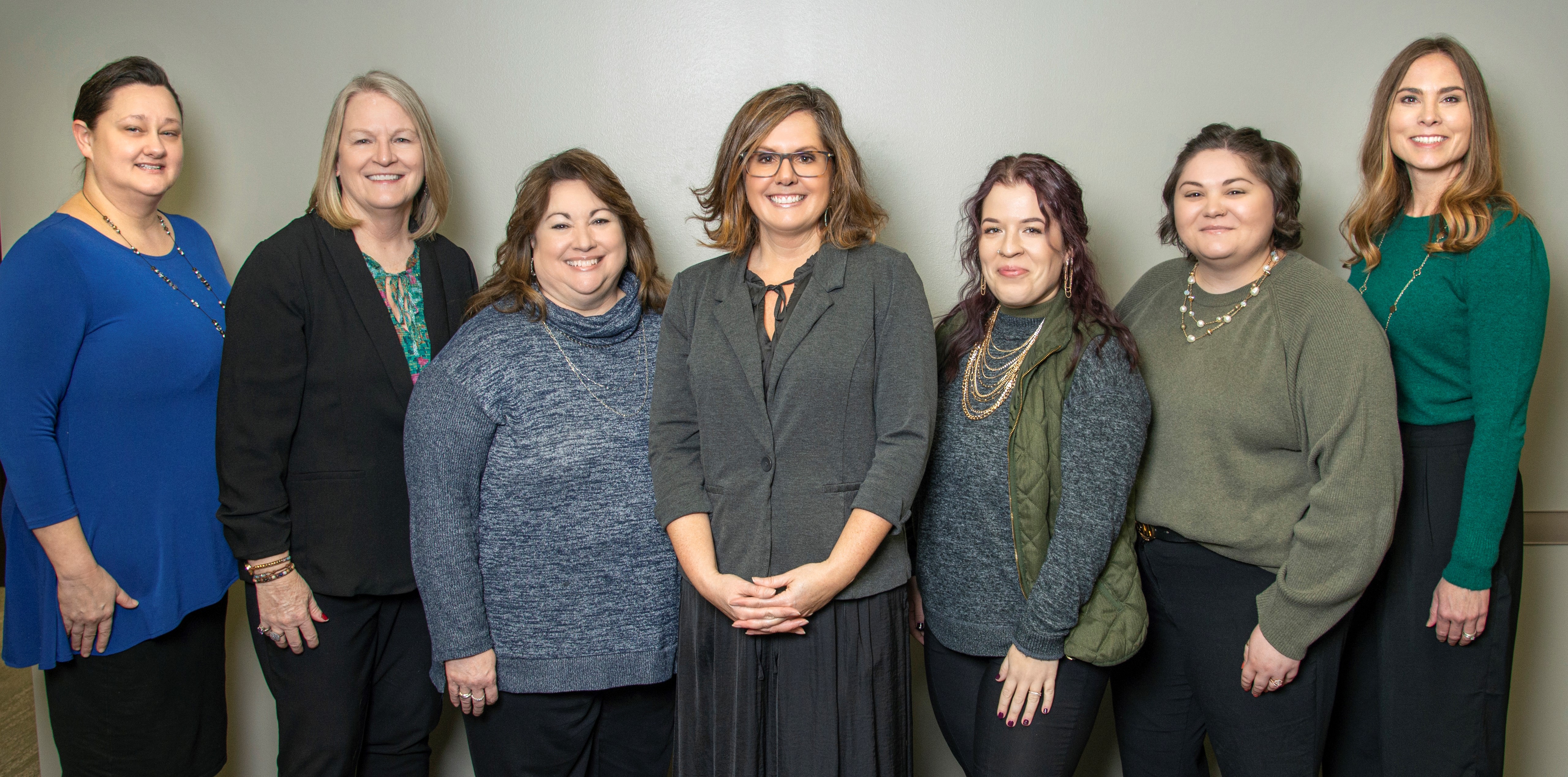
While most traditional medical and optometry practices are still of the belief that not much can be done to significantly remedy these conditions (most of the big-box institutions and online references clearly state this on their sites), we at Vision For Life & Success have been helping stroke sufferers regain visual function and take back their lives for over 20 years.
Among these are many whose main stroke event was no longer recent, and those who were written off as "lost causes" by other experts for reasons up to and including their exhibiting total vision loss.
Now, am I promising a guaranteed miracle in your case?
Of course not. And this is because, as with almost anything in healthcare, there are no 100% guarantees due to a multitude of variables unique to each case and individual.
But, what I do know for certain is that, based on our track record, real world results and clinical experience, there is no other intervention I know of that has been proven to give the same or similar restorative results in the same amount of time as what we offer.
Our Method
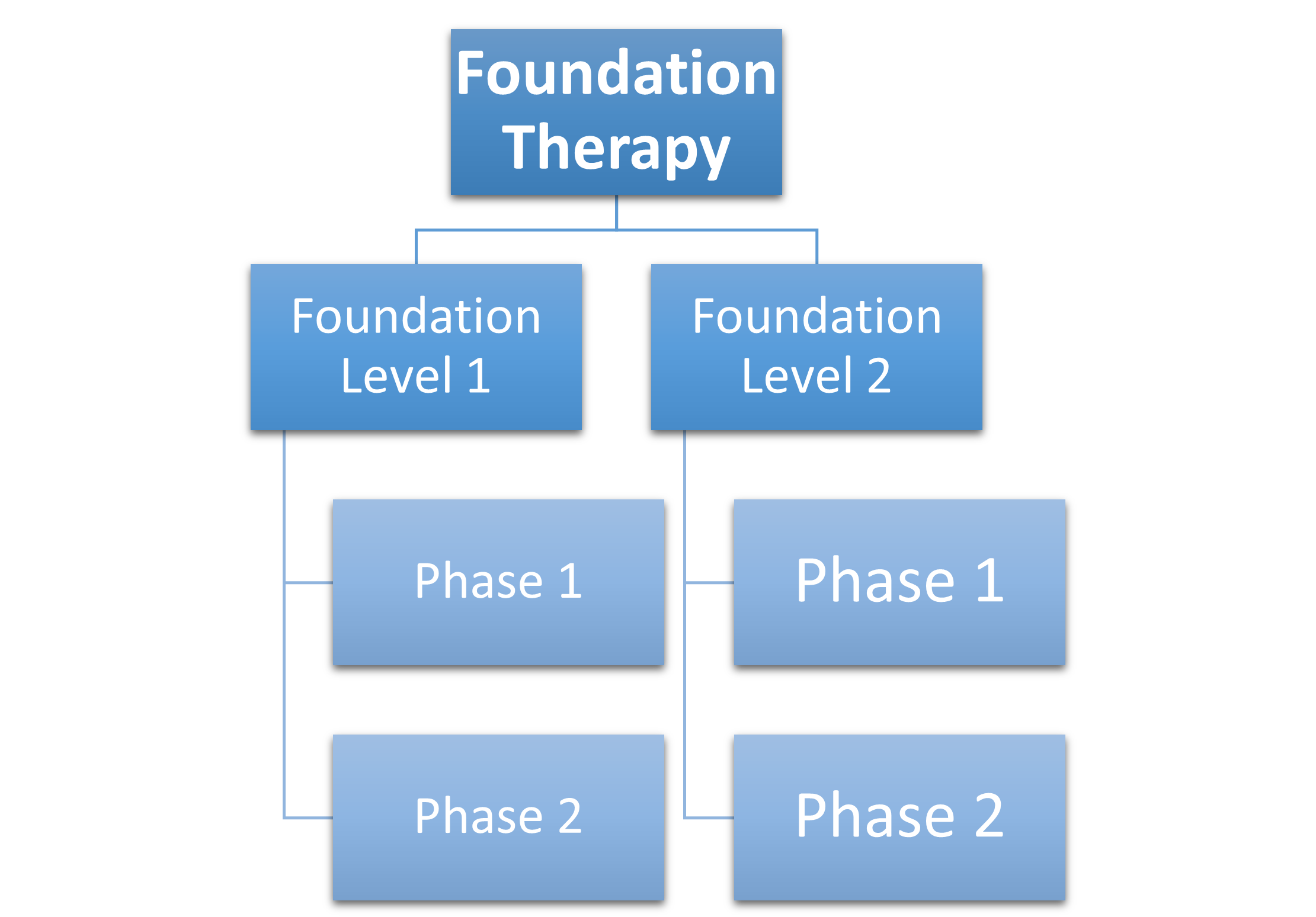
An Advanced Dual Track
Therapy Method
Our approach to working with stroke patients is unique and involves the use of proprietary protocols and steps developed exclusively at our clinic after many years of my/our exclusive focus on advanced vision therapy and restoration.
We use these unique protocols and approaches in the treatment of a variety of post-stroke visual complications as part of our VFL&S Advanced Dual Track Therapy method, which, as the name implies, involves the use of a dual track approach to help correct aspects of the patients' visual limitation, ensuring that the healing and restoration is thorough and maximal.
Below is a brief overview of each track:
Stroke Therapy Track #1:
Stroke Focused Advanced PhotoSyntonic Light therapy Protocols:
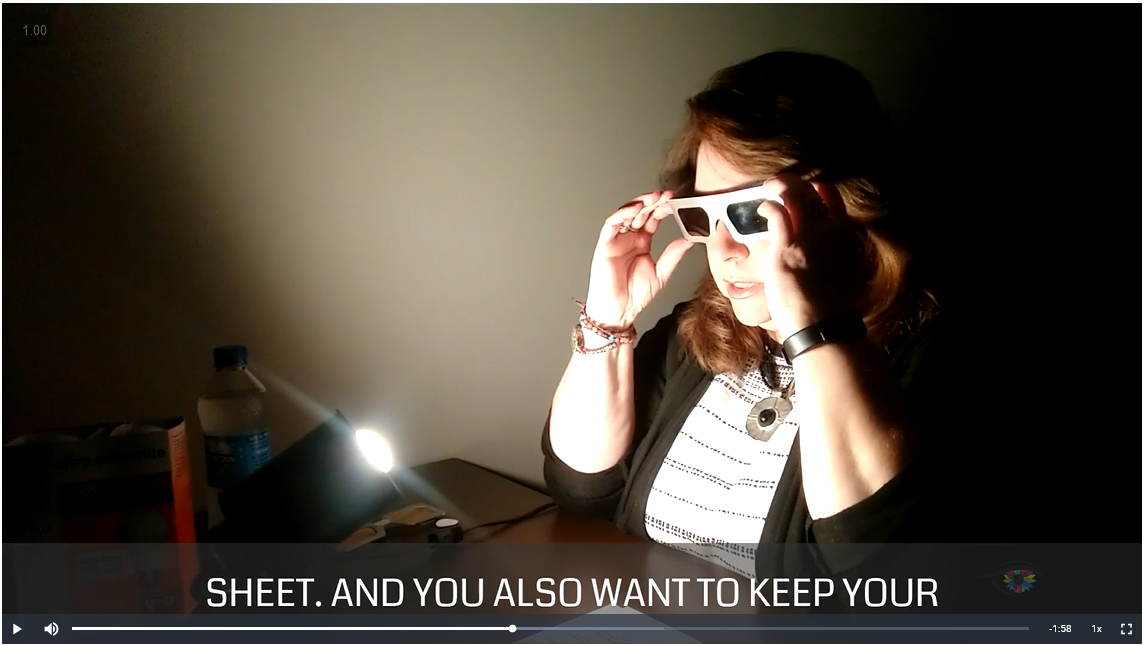
This treatment track involves the use of specialized noninvasive optical filters which are calibrated to specific wavelengths, which, when used as prescribed, in turn produce specific desired stimuli like stimulating your visual system, promoting brain healing, aligning the eyes etc.
Thanks to cutting edge neuroscience, we now know that information transmitted via the brain and nervous system can be modulated by the use of specific light frequencies.
Therefore, we employ a proprietary protocol of these filters for stroke patients to promote healing of the brain, correction of the visual system, recovery of the visual field and balancing of the nervous system; which are all necessary and foundational for progress in stroke patients.
All you have to do as a patient is wear the goggles which hold the specialized filters, and follow the very specific, customized and individualized protocols created for you and modified based on an ongoing weekly report and review of your visual condition, visual needs and treatment plan.
Stroke Therapy Track #2
- Vision Therapist Led Therapy:
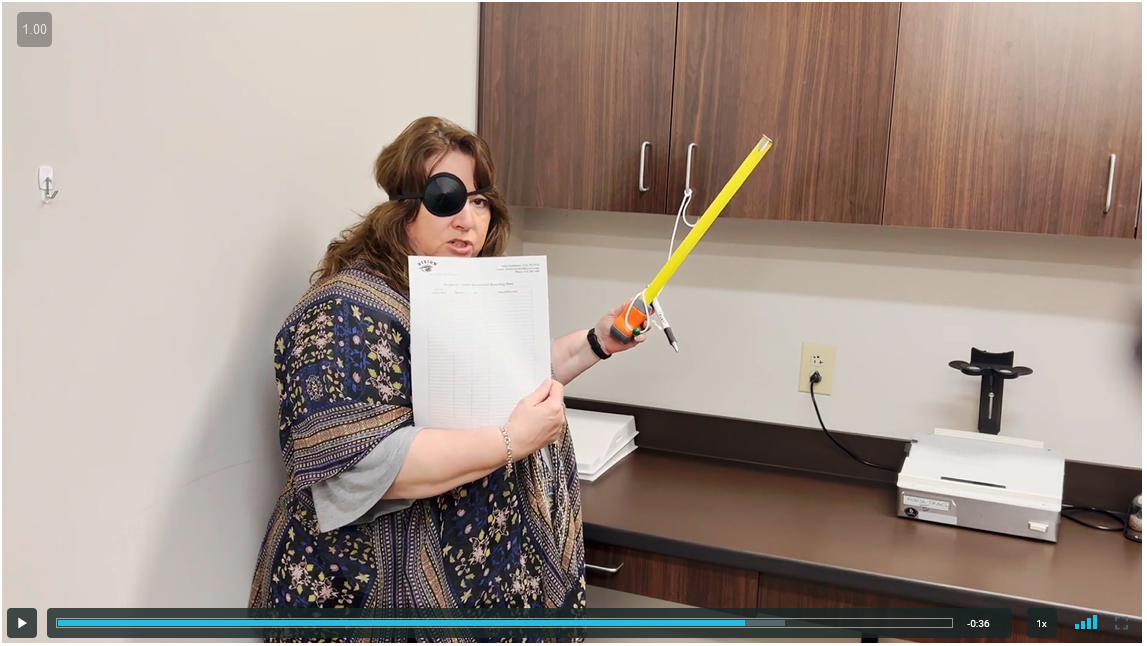
On this treatment track, manual vision therapy/vision training exercises are used with the goal of helping the patient regain lost visual function by stimulating the brain and associated neuro-visual pathways and muscles using a more manual approach.
The patient is also assisted in learning visual skills that may have been lost or that are necessary to create the desired visual outcome.
This manual approach thus meets our advanced photo-electric stimulation method (Track #1) halfway and closes the loop, becoming the most potent vision recovery/correction option currently available for stroke-related vision loss cases.
Both of these processes are constantly monitored and modified by me, based on where the patient is, and where they need to go as a next step in their progress.

How We Differ In Stroke Treatment
From Traditional Vision Clinics:
We have already established that 98% of optometrists, ophthalmologists and neurologists, do not treat the particular post-stroke conditions listed above, nor do they typically think they can be remedied.
This would therefore explain why the "wait and see" approach is often suggested to patients with these visual complications.
I have had many over the years scoff at what we do, as you may very well have your Dr. scoff at the idea when you bring it up, but the results stand on their own, regardless of personal opinion.
Proof - That, after all, is what science is about, isn't it?
Unsurprisingly then, we end up getting A LOT of feedback from patients who report that their primary doctor was genuinely surprised at their progress considering their earlier position.
Like this one below:
"After my stroke and loss of peripheral vision, and In spite of my ophthalmologist’s statement that “ It was impossible to regain any sight” my partner convinced me to try the Vision for Life program.
After several months, I noticed while walking in the streets that vision seemed “MUCH WIDER” This was a great encouragement in a vision training which I at times felt was not moving forward. This wonderful discovery gave us new encouragement. Two months later, April 2023 the same ophthalmologist who, after executing vision measurements the previous year stated “ I am surprised to observe that your peripheral vision is CONSIDERABLY wider”
I told him about your program which he one year ago thought was just a waste of time and money. He encouraged me to continue. A new date for verifications next year is agreed. In the meantime, me and my dear and helpful partner will continue with renewed energy. In the 3 weeks since the last measurements it feels that it has opened up further. We now look forward to each Tursday`s Zoom session with Jill. I am very pleased to recommend this program for anyone in a similar situation. In the world with new “digital meeting places”, Zoom etc, it works quite well to receive follow up and instructions remotely. What I in the beginning turned to out of desperation and not out of belief, actually delivers!
With renewed energy, we are now continuing on the journey back to a completely restored vision which I look forward to proving that to the initially skeptical doctors, I would like to recommend Vision for Life for anyone with similar problems.
- AR, Norway
But, even among the few traditional clinics that may attempt to give it a go, the solutions offered have been proven to be inadequate in resolving the damage done by the stroke to the visual system.
For example, the go-to solution is usually prism glasses, which is not only limited in what it is meant to solve (for example, it cannot resolve hemiamnopsia), but primarily, by its mode of action, prisms really only serve as a bandaid by shifting whatever viable peripherial visual space is left over to the missing area, instead of working to recover lost peripheral vision.
And just like with the use of prosthesis, many patients who went that route before coming to us often comment about how uncomfortable it was and about their experience of running into things as a result of the visual field that was shifted to compensate; robbing Peter to pay Paul, so to speak.
And very much as crutches to help an injured individual get around temporarily, but cannot and if possible, should not be seen as a permanent substitute for the limbs. If this were done, functional use of that limb would likely be lost.
This stands in contrast with our preferred approach; that of helping the patient to:
A) Regain lost visual field.
B) Help the brain acquire new visual skills
C) Develop new neuro-pathways to replace those permanently damaged by the stroke event
D) To functionally improve their vision and eyesight as nature intended it to be.
Yes, it takes many more weeks than slapping on a prism lens and calling it a day, but the effects on different aspects of vision and eyesight (especially for the stroke patient) are light-years apart, since it is aimed at solving the underlying issue and leaving you/them better than before coming to us.
Vision For Life & Success vs. Traditional Vision Therapy Clinics:
There is much that separates us and our treatment approach from the options offered by other standard clinics that claim to offer vision therapy.
How can I be so bold in this assertion?
There are in fact a handful of reasons, but here are a few:
1. Previous Treatment Attempts: Many patients come to us on their own volition after having tried a program elsewhere unsuccessfully and in some cases to resolve a problem that was created during that failed attempt at the hands of less experienced practitioners.
2. External Referrals We Receive: We receive many referrals from other Vision Therapy clinics and practitioners who wisely understand that they do the patient a better service by referring them to us due to our experience with particularly complicated cases.
3. Our Exclusive Protocols: Our use of uniquely formulated and highly effective protocols and processes unique to our clinic. These protocols are the product of more than 21 years of observation, research, deduction, formulation, and streamlining based on thousands of hours of consulting with, interviewing and treating thousands of patients.
4. Exclusive Area of Practice focus: Our clinic is solely focused on advanced Vision Therapy and Restoration with no other adjunct offerings like glasses or surgery to distract us or soften our resolve to help you from a more foundational level.
Having run a full-service clinic in the past where I offered glasses, contacts and everything else before giving it up for neuro-rehabilitative vision therapy, I know first hand the difference focus and exclusivity makes.
As a result of this focus, we see more advanced cases annually than most independent clinics anywhere in the world. This in turn builds an even greater depth of experience, even among the staff therapists who are a key part of the process.
5. Our above and beyond-approach: I personally believe in doing whatever is in my power to help our patients, and so go above and beyond what a basic protocol might dictate to make this so, even when it is not required anywhere else.
Our prescription lens reduction protocol, for example, goes beyond just helping the patient recover their visual field, and goes further to actually helping them reduce their lens prescription.
I specifically developed it for use in our clinic due to the desire of patients to reduce their escalating prescriptions, above and beyond their main case issue. So I have made it a standard protocol of ours for every patient who could benefit from it, even though it might require some extra effort on my part, but which I do not mind and am glad about the incredible difference it makes for our patients.
I must also note that optometrists generally do not believe that lens prescriptions can actually go the other way (reverse/go lower), as this contradicts what we were taught as part of our formal training.
6. My hands-on and open door approach: Another unique facet of our clinic is the hands-on approach that I take to working and communicating with the patients weekly, especially in the beginning, to ensure we are on the right track on what must be a delicate and finely tuned approach.
In fact, I work and correspond directly with every patient first in their Phase 1 treatment to guide them during that treatment Phase and to answer any questions that may arise, before they even get assigned to a therapist. Based on patient reports, this open line of communication is not something that should not be expected from all doctors or clinics.
7. Curious doctors: As further evidence of the uniqueness of our results, many doctors do come asking to learn our approach and processes to obtaining such breakthrough results.
And while I have and do train those who are willing and ready, there are only a handful of these individuals out there in a sea of regular clinics.
Note: The above-listed points are not meant to be an indictment of the field, but a clear-eyed assessment and statement of the facts based on hundreds of stroke cases.

An Added Benefit Of Therapy For Stroke Patients
It is understandable that since we are a vision clinic, people do not typically come to us expecting much more than an improvement in their vision.
But the great news is that many who come to us for vision restoration after suffering a stroke often report experiencing unexpected positive breakthroughs in their general basic functioning, and in the performance of Activities of Daily Living that extend beyond visual function; again able to do things that they once loved to do, but had become unable to do after the stroke.
And you may ask:
How is this added benefit possible?
This exciting and welcome outcome is due to the cross healing effect that is set into motion during vision restoration therapy.
You see, physiologically, the human visual pathway cuts through and comprises other parts of the brain that extends from the optic nerve (back of eye mid-brain) through the parietal/temporal to the occipital lobe where vision is processed.
So, a stroke in any part of the brain where the visual pathway cuts through, often results in vision loss or varying levels of impairment.
Correspondingly then, the process of restoring functional vision, when done the way we do, here at Vision For Life & Success, usually tends to have a wider restorative effect on the stroke patient.
So, imagine that in just a few months of working with us, you or your loved one are able to regain some or much of what was lost, and able to feel more like your old self again and see better than you currently do.
What would that mean for your life or that of your loved ones?
Or if you are the loved one reading this, what would that mean to them and for you?
So at this point, if what you hear makes sense, sounds intriguing or is appealing in any way, and you wish to further discuss the specifics of your case or that of your loved one, to see if we can help and if what we offer would be a good fit for you, I invite you to schedule an online consultation with me by clicking the button below to schedule an online consultation from anywhere in the world, or by calling our office at (618) 288 1489 if you live in or close to Glen Carbon Illinois.
Would you like to discuss your case to see if we can help?
Going beyond the obvious
In most cases, the patients who come to us after a stroke also have other binocular vision issues that need to be corrected.
So, while say hemiamiopsia, visual field loss or cortical blindness may be the most obvious issue experienced by a stroke patient, it is also possible to also have double vision, exotropia, myopia etc. and we believe in helping you improve as many aspects of your vision as is possible once you are our patient.
So, imagine that in a few relatively short months of working with us, you or your loved one are able to regain some or much of what was lost, and able to feel more like your old self again and see better than you currently do.
What would that mean for your life or that of your loved one?
So at this point, if what you hear makes sense, sounds intriguing or is appealing in any way, and you wish to further discuss the specifics of your case or that of your loved one, to see if we can help, and if what we offer would be a good fit for you, I invite you to schedule an online consultation with me by clicking the button below to schedule an online consultation from anywhere in the world, or by calling our office at (618) 288 1489 if you live in or close to Glen Carbon Illinois.
Looking forward to helping and working with you or your loved one!
Dr Julie Steinhauer
Patient Feedback:
Jade was having a manicure and pedicure and then when she went out to the car then she looked up and saw in neon lights, “Beautiful Nails” for the first time and she’s been going there for years. She is looking forward to seeing more new things! She was looking out the back window door with her glasses on and unmistakably saw a yellow school bus traveling South on the Rd this morning
Jade
Stroke related vision loss. Long Term
Patient Feedback:
I have more energy. I can handle lights now both my eyes open I still see a shadow when try to read but it's gotten better.be sure let them know I could not read clear but with one closed and it was not clear ... I don't see double with glasses like I use too even with the prism ... I have lots of hope and expect good results on eye exam in April !
Susan
Stroke Related Vision Loss
There have been remarkable improvements in his vision since we started with you way back in June 2022 after his watershed stroke leading to cortical blindness. We can say that using your syntonic or light therapy and eye exercises in close coordination with your wonderful, supportive and enthusiastic Therapist, Cheri, has helped Robert significantly with his vision.
Week 9 Syntonics Report from August 7-12, 2022.
Further Notes:
- There were days that he's starting to wake up with a pinch clearer vision but doesn't last long.
- The images on the TV are not yet clear but he can recognize at times what were the images.
- He's started to identify some Apps on his iPad like the Audible where he listens to audiobooks and able to touch the right icons e.g., play, pause or stop
- He's started to recognize the numbers on his iPhone while I tell him the numbers to dial.
- He's practicing writing but he writes words in big bold letters so he can read them afterwards. He's not yet able to write straight or within the lines of the notebook.
- He's continuing to practice reading words and group of words of various sizes. Still having a hard time to read small or fine prints..
At the doctor's office Robert is able to read the 20/40 eye chart test with squinting and working his eyes to focus on the letters. This is a wonderful improvement considering where he started last June 2022 with you because He was told that he was cortically blind at 20/400.
On an added note, his eye doctor, recommended to continue what he's doing.
- Robert
9 weeks in therapy -
Stroke during heart surgery, Significant vision loss and double vision
When I had my stroke, I ran into big things like doors, walls and cars because I couldn’t see to my left. We started checking measurements in a very non-scientific way where I would just hold up a couple of fingers to my left and see when they went out of my field of vision while holding both eyes open and looking toward the left. We checked this weekend and my husband and I both agreed that it looked like I could see farther to the left than I had before. Even though this isn’t really scientific, it does help in the real world in that the more I can see, the less I will run into things. I don’t know if we’re supposed to see progress in just a few weeks, but we feel like we are!
- Sandy
Stroke and vision loss, Homonymous Hemianopsia, alternating exotropia
When I first started it was like I was seeing almost exactly half of everything. For example, if I looked directly at the license plate of a car I would see the lower left half diagonally. So, the upper right corner of the car and the lower part right up next to the license plate would be completely gone. If you've ever seen the last scene of the old Willy Wonka movie, everything in his office is cut in half, that use to always annoy me. Now this was my world where everything is basically sliced in half. Now, nearly a year into therapy, when I look at the license plate on a car I can actually see the whole car. I can't see past it at all on the right, so it's annoying never having context, but just seeing the whole of something helps tremendously. There is still a lot of healing that needs to take place, but I'm thankful for Vision for Life and Cheri my therapist for not just accepting the common belief that "there is nothing you can do about your condition". I also appreciate the tools they give to be able to improve all of your vision. My eyesight also diminished when I first had my stroke. My goal is to not have to wear glasses at all and I'm thankful to learn about how I can actually improve that part of my life and not just be stuck with poor vision. I use to wear glasses all the time after the stroke, and now I use them occasionally when I'm out of the house if I'm having an especially tired day. Thank you!
- MN
Post Stroke Homonymous Hemianopsia
Since I had my stroke, my peripheral vision has been restricted. This prevented me from being able to drive. The other day, I was able to drive 20 miles on the highway with no issues. I felt comfortable. I feel like my peripheral vision is opening up. I am able to notice more than what I could a couple of months ago.
- JB
6 weeks in therapy
Stroke and visual field loss, L Homonymous Hemianopsia
I would say that although I would not say that my left visual field deficit is by any means is gone, it does seem better - when things come across my field of vision from left to right they do not startle me as much, sometimes not at all. This is great. Also, I can read better without reading glasses than before. If I am at the store I can make things out that I could not before which is another plus.
- BT
6 weeks in therpay
occipital lobe stroke, left homonymous hemianopsia, retinal surgery- macular edema and vision loss, 4th nerve palsy, strab surgery at 16. 55 yo now. scar tissue in macula
He is definitely showing some progress with his sight. Seeing more of his Surroundings and people when he focuses. I’m noticing his a little more Sensitive too late. Not in a bad way. Just notices it more. A few new things happened this week.
A couple days ago while I was helping him with his therapy. He told me that he can see light the entire time doing therapy. when he tells me light he means that he can see the circle of the lamp light, which I thought that was the only time he could actually see light, so the last few weeks were a miss understood.. just to confirm that my dad see’s light the entire time and only for those seconds he will see the circle from the lamp light.
Second I Wrote out letters of the alphabet on white flashcards And held them up one by one about 3 feet away from my dad, on a white notebook. He was able to tell me every letter I held up. When I there were two or three letters next to each other He had a hard time seeing all three of them, but could see one or two. Also his caregiver tapes up colored Poster boards on the walls in his bedroom and has some sit in the middle and point to the colors he asked. My dad does really well with that too. The one color he had a hard time finding is the blue. I think that’s it for right now. We’ve been super busy and excited with his improvements.
- ZN
Multiple stroke induced blindness
Frequently Asked Questions
Duis aute irure dolor in reprehenderit in voluptate velit esse cillum dolore eu fugiat nulla pariatur. Excepteur sint occaecat cupidatat non proident, sunt in culpa qui officia deserunt mollit anim id est laborum laboris nisi ut aliquip ex ea commodo.
Recovering from a stroke - whether it be visual, neurological or other bodily functions, is really a race against time. This is why, in traditional medicine, strokes are recommended to be treated for best results within 46 months of its occurrence, as vital brain cells and neuropathways die off with each passing moment.
So, if this is the case, it would not be advisable to expect any difference as it relates to visual function. The fact remains that the condition/impairment is treated the greater the closer the chances of a full recovery of visual function.
In summary, DO NOT WAIT.
Not particularly. We have helped patients who suffered severe strokes as far back as two decades prior, and helped them gain significantly improved visual function.
However, there is no doubt that what they got pales in comparison to what they could have gotten if two decades had not elapsed.
So, while there is really no set cut-off date, the passage of time will be a factor in the results.
Just like that Doctor may not have experience in treating in this situation and thus, assuming for that reason that nothing can be done, we have helped many experience life-altering changes and improvements and, thus, we hold a different opinion. Scientists in general are quite notorious for holding onto biases far longer than is necessary in spite of any evidence to the contrary; but the success stories above are one such evidence.
While it is impossible to say exactly due to the many variables and factors involved. One can expect to fall in the broad range of 10-80% improvement during therapy.
Also, it is possible for the patient to experience even more improvement after they graduate from our program if they follow the recommended periodic maintenance protocols and exercises, as research shows, it is possible to regain 100% function.
Of course, this is only suggestive, and not a guarantee, due to the many variables involved.
While the general approach has broad similarities, the therapy itself is rarely identical as each individual is unique in their presenting visual problem and what they need for successful treatment.
For instance, patients have come to us completely blind with very little light perception, if any.
Such cases may require a different approach to get them at least to the point of being able to perceive light first, while someone else who is experiencing a partial loss of visual field will require a different approach specific to their needs and other simultaneous presenting issues.
Of course you can! You just will not be getting the specially refined post-stroke protocols developed by Dr. Steinhauer that we have used for over 20 years. Also worth stating that this is a specialty condition that falls outside of what most VT Docs are familiar with or have experience with.
Besides, we work with people from all over the world who have found confidence in working with the leading expert in this area when it comes to vision restoration, but also that they do not have to go throgh the hassle of travelling to an office every week, especially considering the circumstances.
Ultimately, the choice is yours!
While most stroke patients get the most results with and need our 45-week program, typically the therapy duration depends on several factors, from the severity of the stroke/vision loss, and the combination of visual and even general health conditions.
You are in good hands
We are world class. We have been around for a while, we have the track record to prove it, and we aren't going anywhere because we love what we do!
20+ years
of expert experience
3,000 +
Patients
100,000+
Sessions
48 +
Countries served

Follow us on social media!
© Copyrights by Vision For Life & Success. All Rights Reserved.